


The greeting “Esé” or Éssé used by the Owan people of Emai, Ora, uokha, Iuleha/Ozalla, is a deeply rooted cultural identifier that serves as both a daily salutation and a unifying symbol of identification. While used generally it carries profound historical significance, often associated with a traditional narrative of survival and unity.
Esé is regarded as a unique greeting for the Owan people particularly clans like Emai-Ora, Iuleha, sobe ,ozalla/uokha, helping to distinguish them and foster a sense of brotherhood.
Wartime Survival Narrative: According to oral tradition, during a critical period often cited as the Nigerian Civil War, 1967-1970), an Owan military commander used the phrase “Unu lo ze Esé, vbá dichobo na re” (translated as: “the mouth that speaks Esé come this way”) to identify and spare fellow Owan-speaking soldiers from a dangerous battle assignment.
Meaning: It is a general, intimate greeting that encapsulates a friendly and personal approach to social interaction.
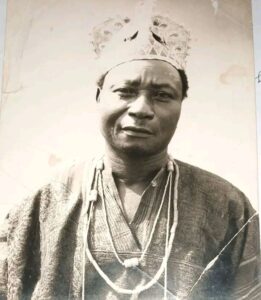
Ese is used broadly instead of other greetings, in Owan communities, particularly in areas like Emai and Ora and across Owan East and West.
Cultural Preservation
Origin of Ese Salutation
The word own it’s origin to the Emai clan Eseokha ( meaning the gift from the okhai tree ) it’s also seen as I have survived, it was this same okhai tree uokha got it’s name. According to the Emai people them selves after migrating from igodomigodo the founder of Emai clan imarhan rested under an okhai tree after a long journey, history also made it known Imarhan also received healing from the okhai tree ( ese okhai) the gift of the okhai tree, after a long journey from idu, ese also implies I have survived after a long journey, these is where we got our famous greeting Ese from, Eseokha is still a festival celebrated by the Emai people till date
Other salutations
Male salutation in Owan in the morning is Edio or Vba edio and the Females greet by saying Laoba or Vba laoba
Edi – Good Day
Osen chian – Goodbye
Amiegbe – So Long
Ochian ahor – See you tomorrow or Good night
Ogbe — Hi
Ivbi Ozalla male greet by saying Kpoza-Edi/ kpoza Edio and the females greet by saying Laoba.
Ivbi Ikao people greet by saying Ooze
Ivbi Igue people greet by saying Morae.
Ivbi Otuo greet by saying Vba ege.
Ivbi uwarrake bi ivbiaro vba mo
Credit: Emokpaire Osawemen Uzebu
